The Bresse Chicken
I love anything French… and Italian. Cheese, pasta, baked goods, art, architecture… so, naturally, we eat a lot of those foods. The cheeses, milks, meats, grains, they all just taste better. We happened to be watching Chef Jean-Pierre at a hotel one evening and it introduced us to “Poulet de Bresse.”
Originating in the Bresse region of France, this bird has been a culinary icon for over centuries. In 1957, it became the only chicken in the world to receive the “Appellation d'Origine Contrôlée” status, legally protecting its name and production methods.
Article:The History of the Bresse Chicken - American Bresse Breeders Association (ABBA)
The American Bresse
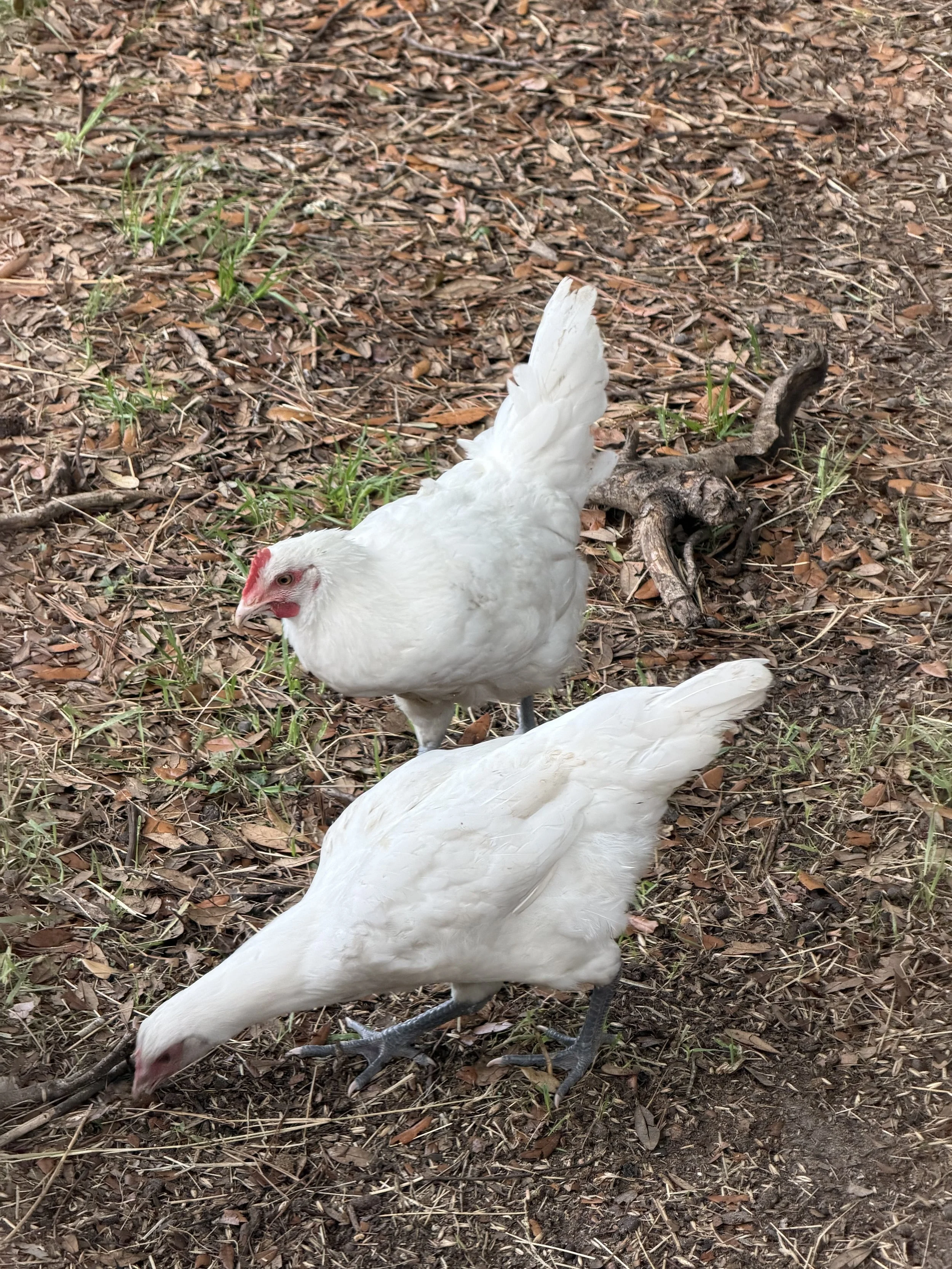
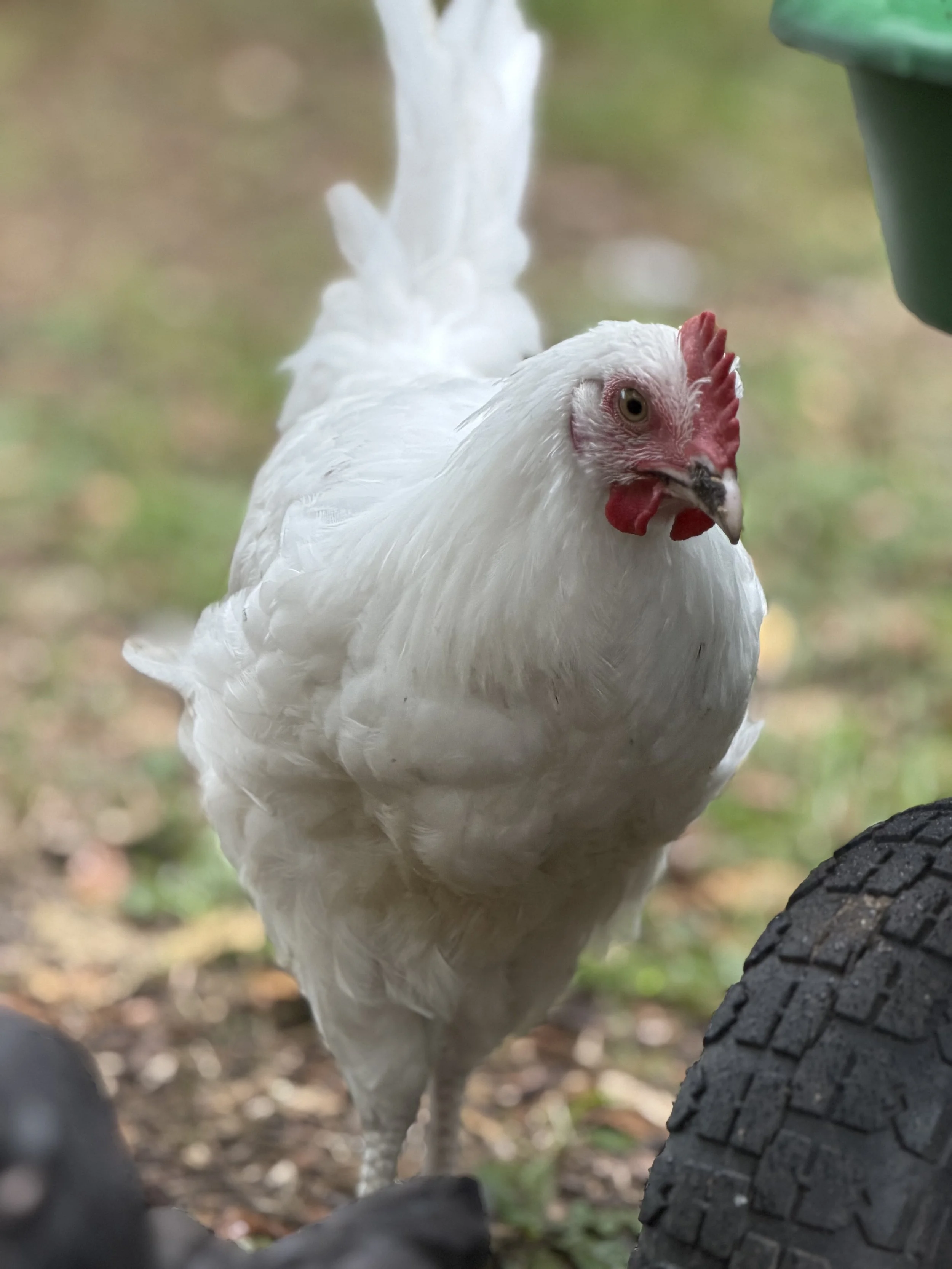
Because "Bresse" is a protected geographic term in France, birds raised in the United States are known as “American Bresse.” First brought to the USA in 2011, they maintain the signature patriotic look: red combs, white feathers, and blue legs.
Article:Introduction to American Bresse Chickens -Greenfire Farms (The original USA importers!)
Website:American Bresse Breeders Association (The primary resource for U.S.A. standards).
Website: About Bresse Chickens - Bresse Farms
Taste & Marbling
The Bresse is famous for its intramuscular fat marbling. Like beef and pork, this ensures the meat remains succulent and buttery during cooking, maintaining a complex flavor profile.
Article:The Science Behind Bresse Meat Marbling - Feather Lover Farms.
Website: Bresse Culinary Profile - Serious Eats dot com
Finishing for Butcher
Traditionally, the secret to the Bresse flavor is a strict finishing period. For the final 3–4 weeks, birds are kept in darkened crates and fed a specific diet of corn meal and wheat soaked in milk to soften the muscle fibers and maximize fat deposition.
Article:The Grand Finale: Finishing Your Birds for Processing - ABBA.
Article: Traditional French Finishing Techniques - ABBA
We are still raising our first Bresse flock and have yet to butcher any. We are very excited to taste the difference, though we will not be following the traditional finish the first go around. Our first butchering will be a control on how the meat is compared to our heritage breeds. A future butchering will follow the traditional finishing diet (if all goes to plan). I am hopeful that we will be able to use our own goats or cows milk by then!